The Real Pilgrimage Route Behind The Pilgrims Table
Discover the ancient Christian pilgrimage route that inspired The Pilgrim’s Table — from medieval pilgrim hospitals to the modern Camino. Map, history, and the real places behind the fiction.
Discover the ancient Christian pilgrimage route that inspired The Pilgrim’s Table — from medieval pilgrim hospitals to the modern Camino. Map, history, and the real places behind the fiction.
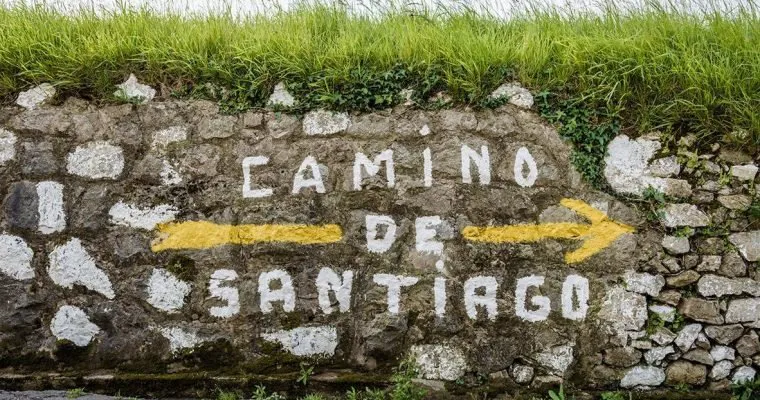
With any luck, you’ve found this page while researching the Camino de Santiago through Europe to learn more about the pilgrimage to Santiago de Compostela, Spain. Some pilgrims find the Camino through books or blogs. Others may learn about the Camino through movies, such as “The Way”. Regardless of what first sparked your interest in
The Question Behind Every Journey Why do people walk the Camino? The answers are as varied as the people themselves—but certain themes appear again and again. 1. To Find Clarity 2. To Heal 3. To Disconnect 4. To Reconnect 5. To Challenge Themselves 6. To Mark a Transition 7. Because Something Is Calling What They
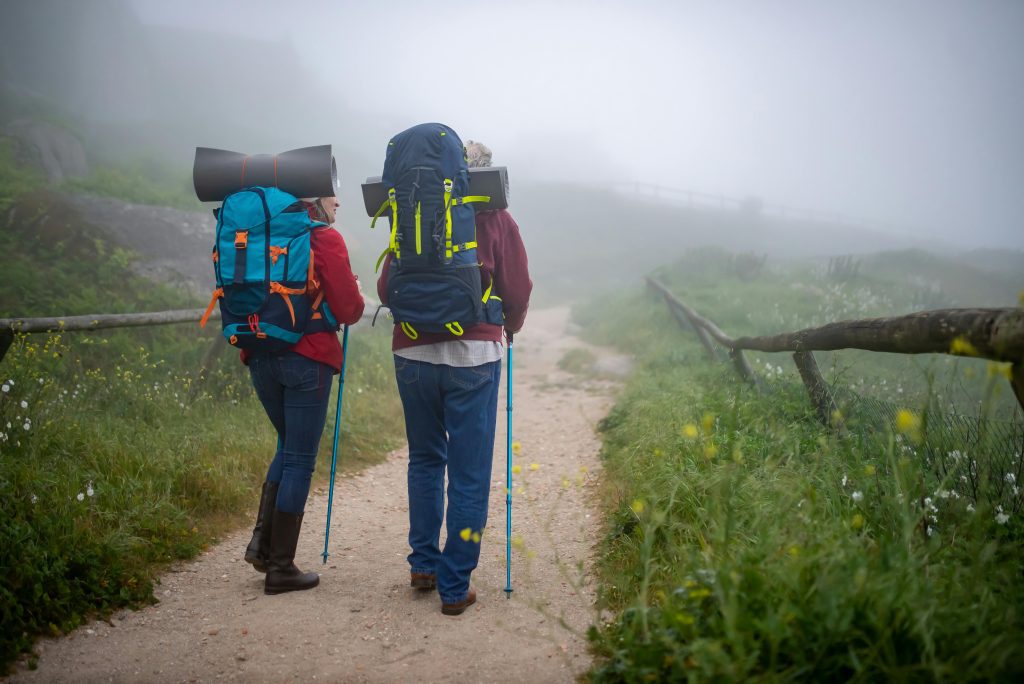
The Golden Rule of Packing On the Camino, every item has weight—physically and mentally. The rule is simple:If you don’t need it, don’t carry it. Essential Items Backpack: 30–40LFootwear: Broken-in hiking shoesClothing: Other essentials: Common Mistakes What You Learn Along the Way By day three, most pilgrims realize they brought too much. By day seven, they understand
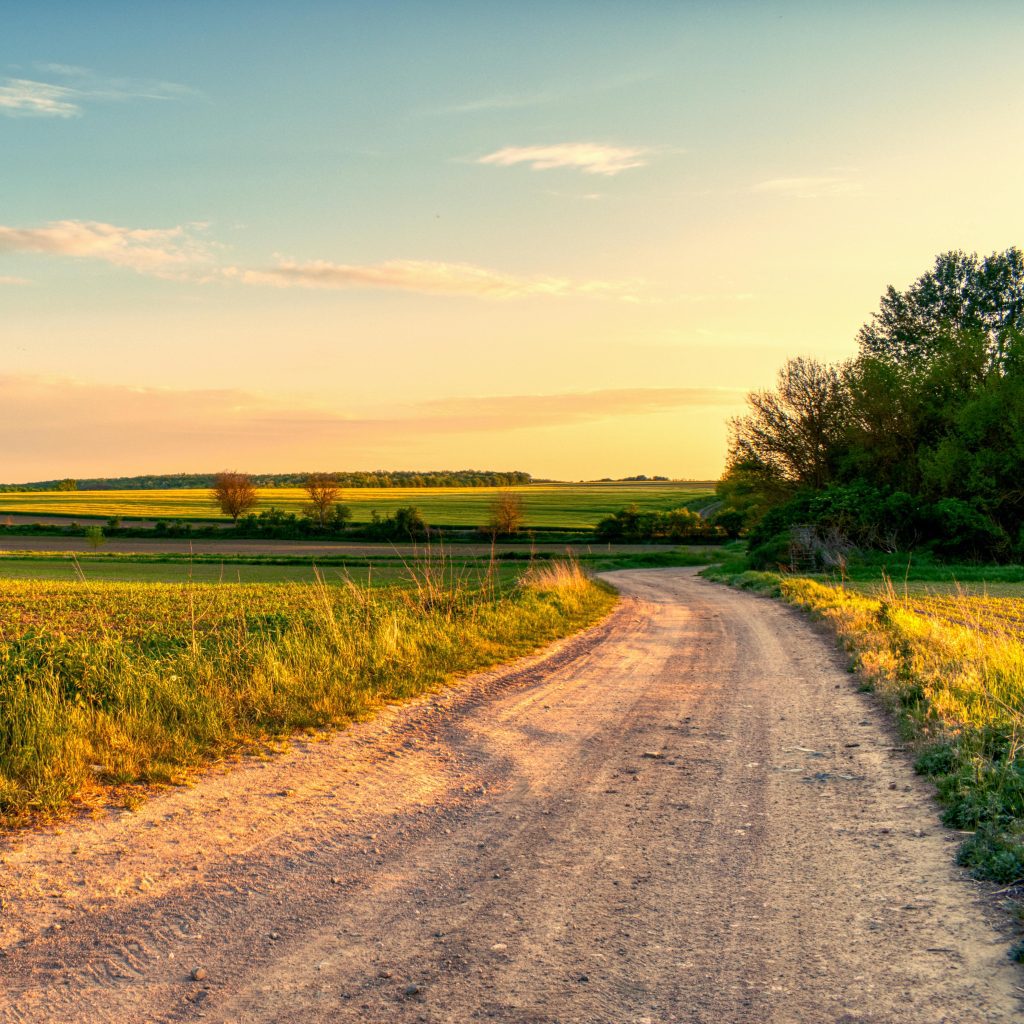
Choosing the Right Camino Route Not all Caminos are created equal. While every path leads to Santiago de Compostela, each offers a distinct experience—shaped by landscape, culture, and pace. For first-time pilgrims, the key is alignment: choosing a route that matches both your physical readiness and your intention. 1. Camino Francés (Most Popular) Distance: ~500 milesBest for: First-timers
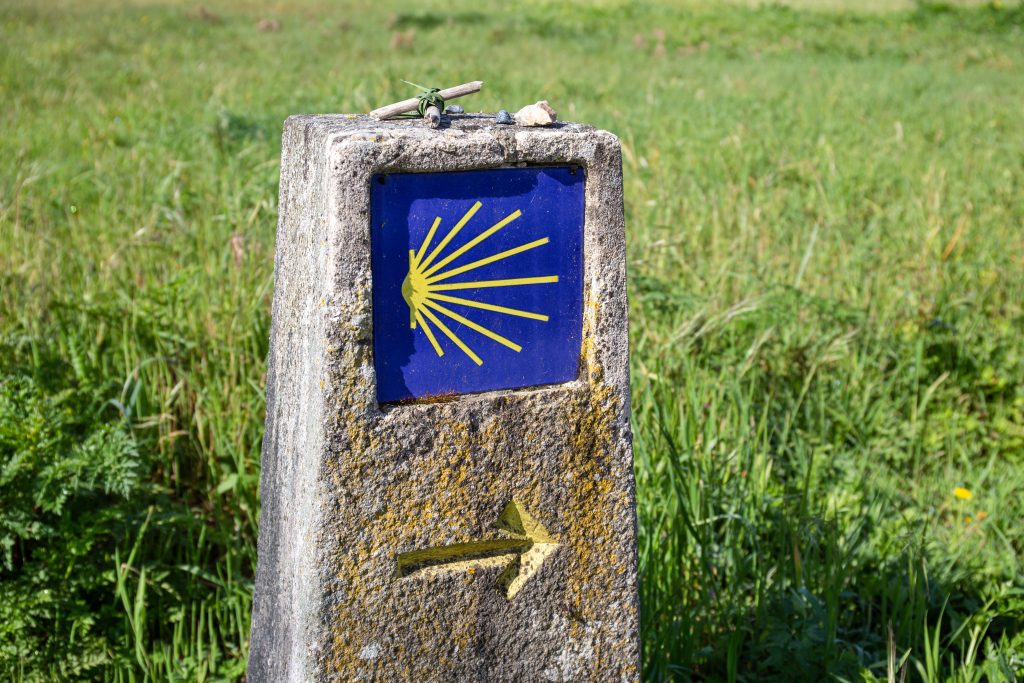
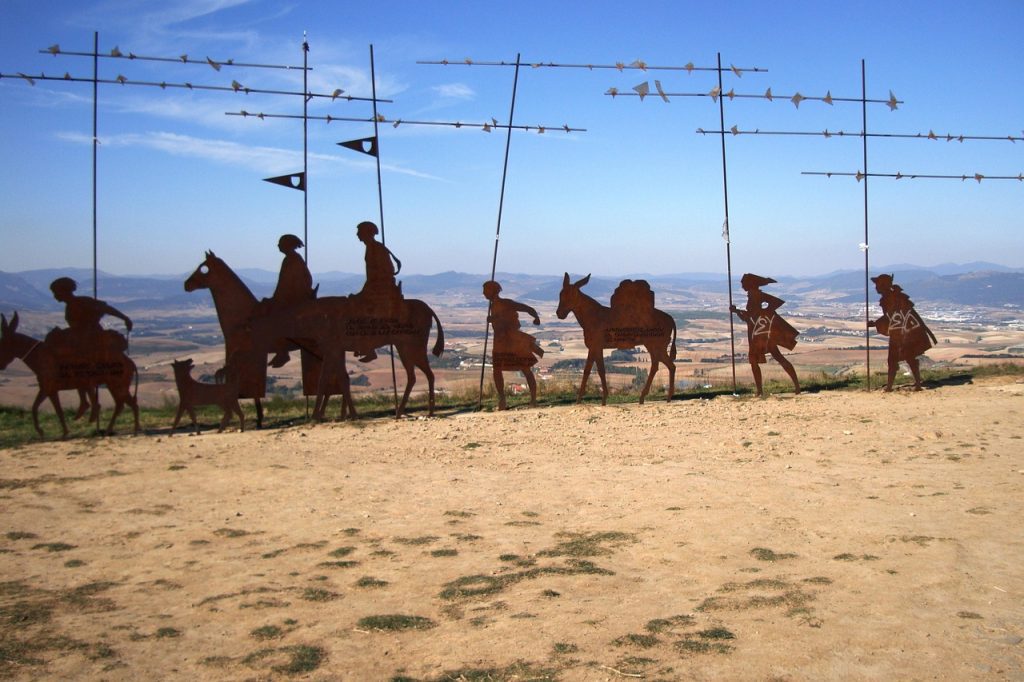
What Is the Camino de Santiago? The Camino de Santiago—often called The Way of St. James—is a network of ancient pilgrimage routes stretching across Europe, all leading to the cathedral city of Santiago de Compostela in northwestern Spain. For over a thousand years, pilgrims have walked these paths for reasons as varied as faith, healing, adventure, and reflection. Today,